
Event Registration
- Home
- Registration System
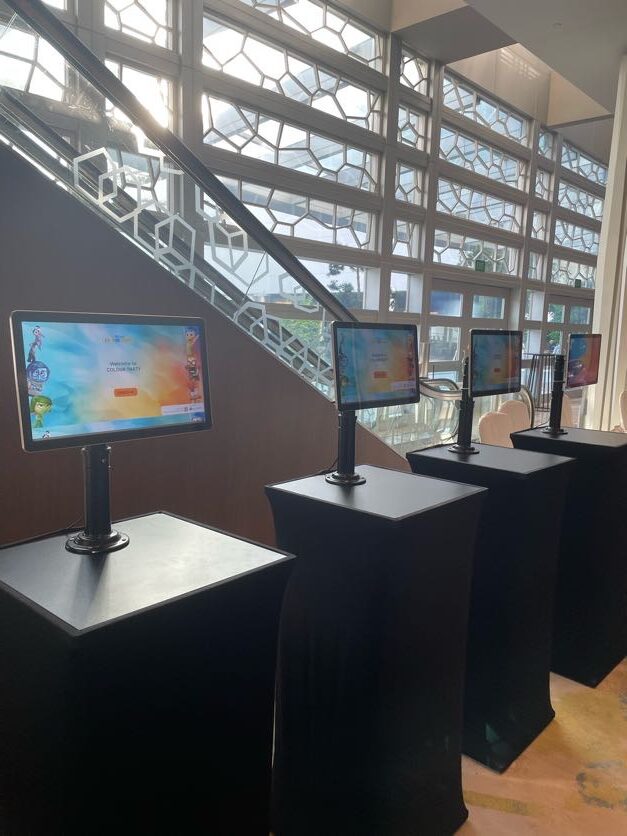
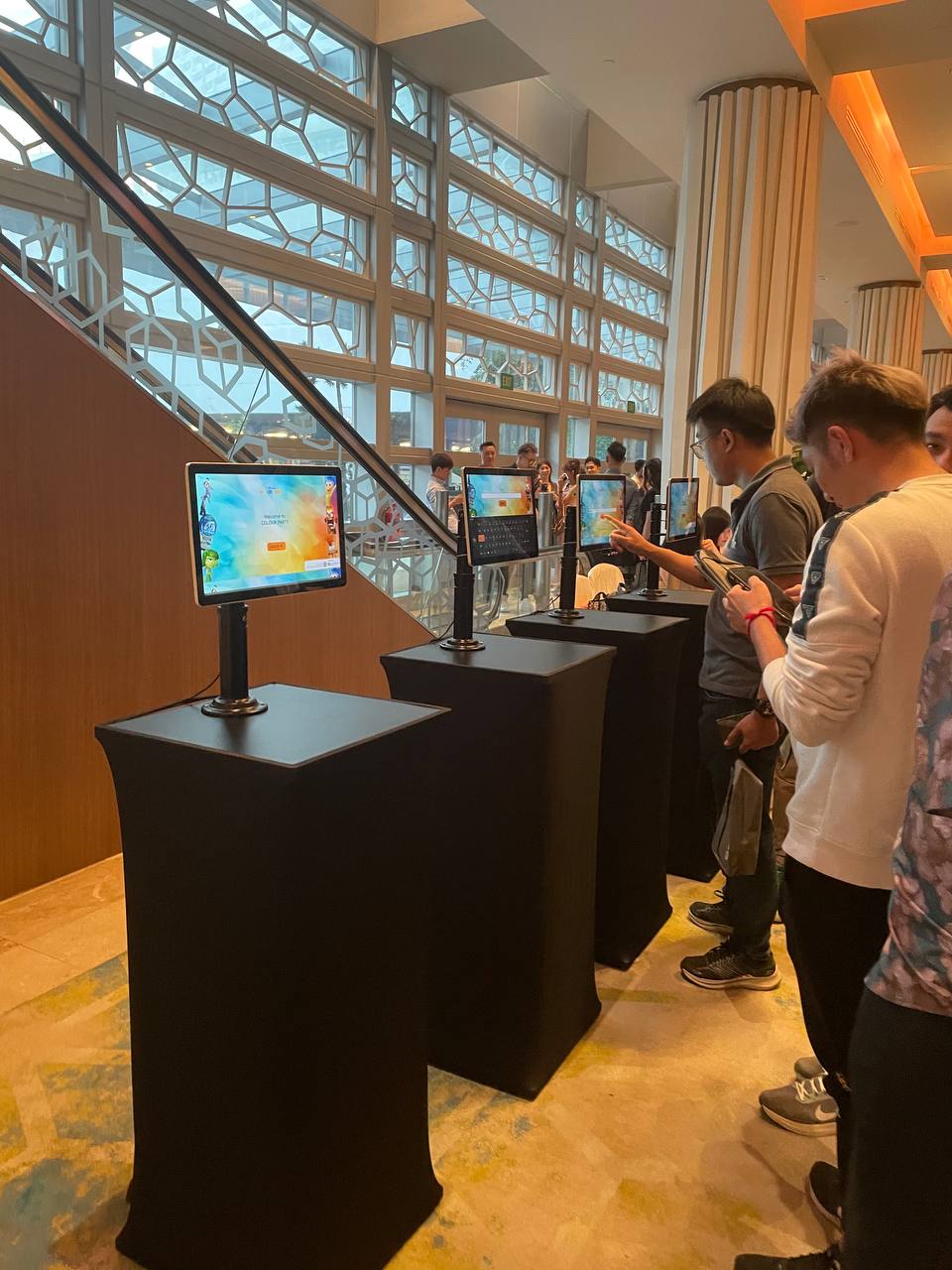
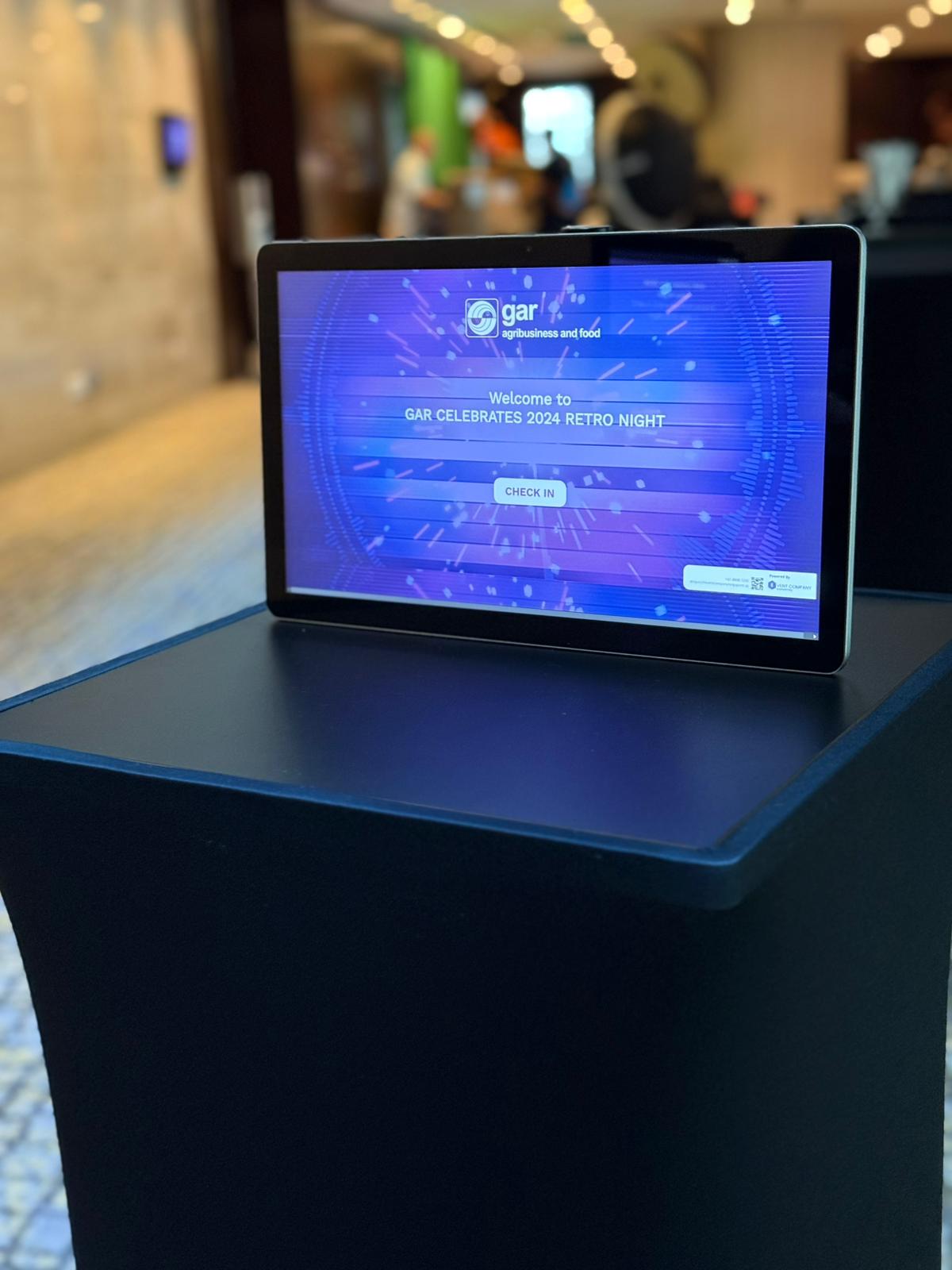
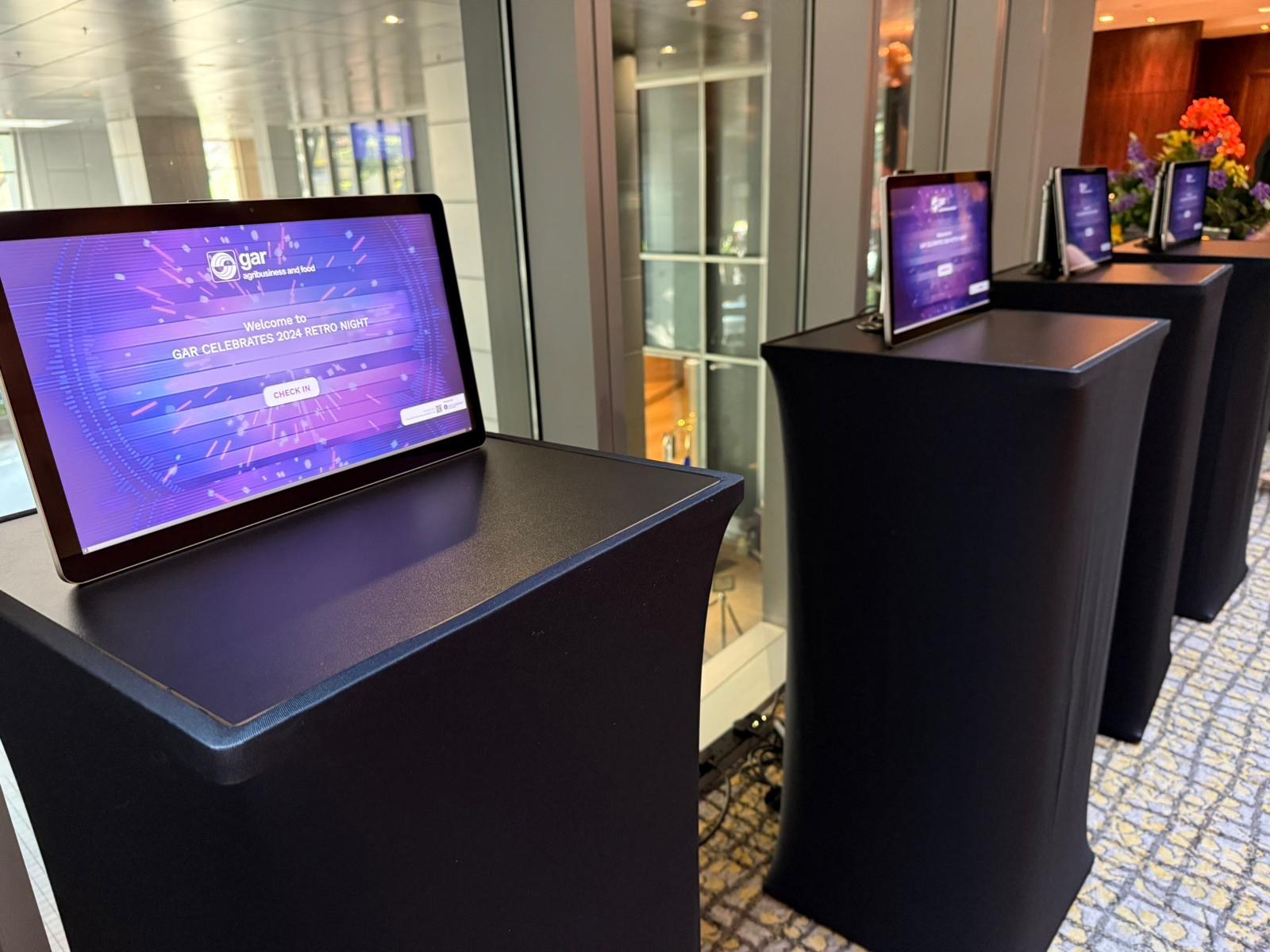
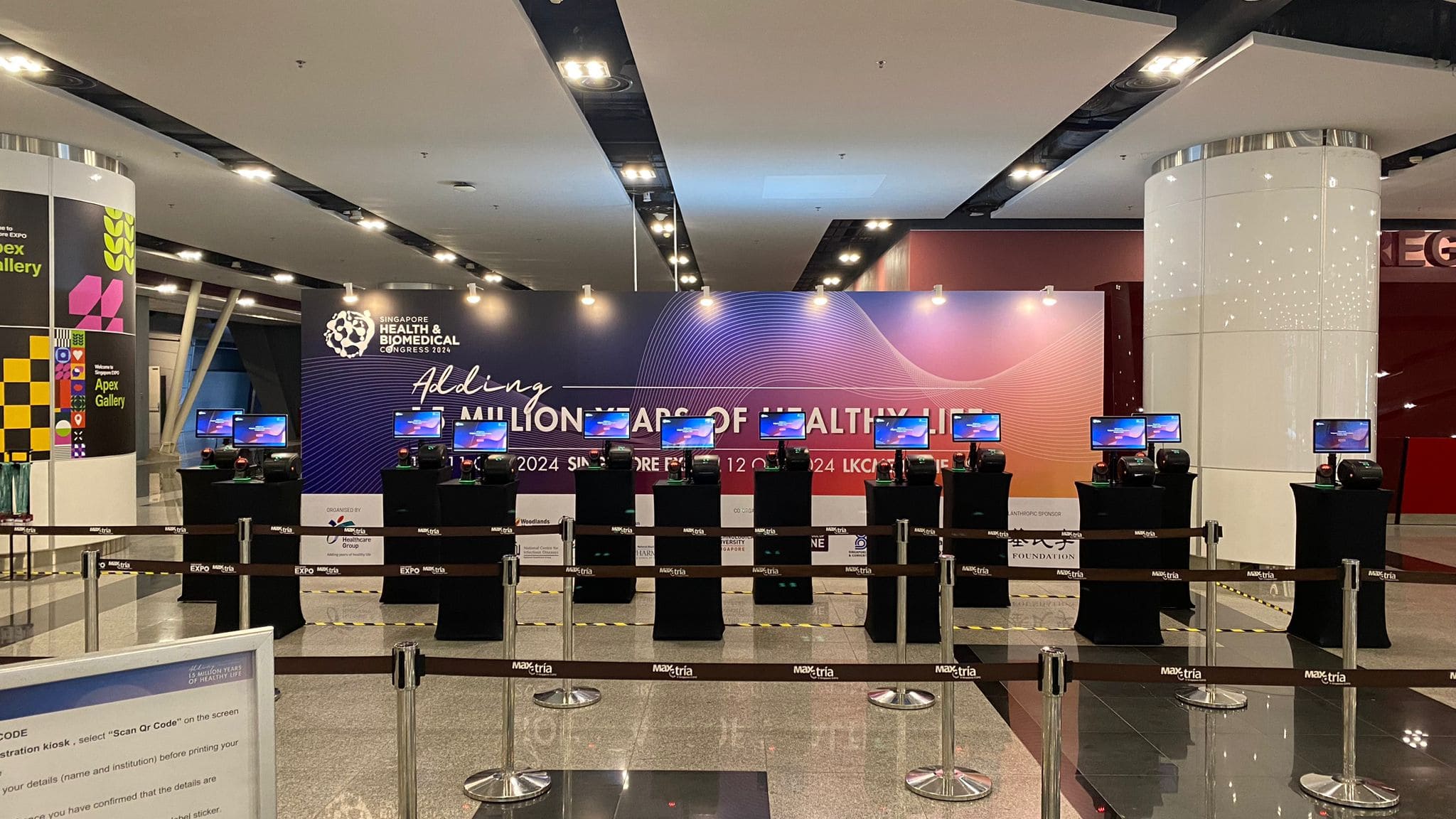
Online and On-Site Registration System
Online sign-up and on-site check-in for events in Singapore, run so your guests are in the room instead of standing in a queue.
Registration is the first thing a guest experiences and the last thing anyone budgets for. Most delegates arrive inside the same twenty minutes, so the desk has to be sized for that peak, not for the headcount on the invitation list.
We set up the sign-up form, send confirmations and reminders, pre-print badges from the guest list, and run scannable check-in on the day with people in front of the desks directing guests rather than behind them. Walk-ins and name corrections are handled by printing on the spot.
You get the attendance data afterwards: who registered, who actually came, and when they arrived. That last number is what tells you how to staff the next one.
On-site registration, built for the arrival peak
We plan the desk around when people actually turn up. That means enough scanning points for the busiest twenty minutes, a separate lane for walk-ins, another for VIPs, and signage that starts at the lift lobby rather than at the desk itself.
Only the data you need
Registration forms collect what the event actually requires — name, organisation, dietary needs, session choices — and no more. Singapore’s Personal Data Protection Act governs how that information is collected and used, so we keep the form short, say what the data is for, hand the records back to you after the event, and do not reuse them for anything else.
What registration management covers
- Registration page. Your branding, the fields you need, and a confirmation email with a calendar invitation.
- Reminders. Scheduled before the event, plus joining instructions the day before.
- Badges. Pre-printed from the guest list, with on-site printing for walk-ins and corrections.
- Check-in. Scannable codes, laptops or tablets, and enough lanes for the arrival peak.
- Offline fallback. A printed list and a local copy of the guest data, for when venue Wi-Fi fails.
- Staff. Trained people on the desk who know your programme, not temps reading a script.
- VIP handling. A separate lane and a host who knows who is arriving.
- Reporting. Registered against attended, arrival times, session numbers and no-show rate, sent to you after the event.
How it runs
- Fields agreed. What you need to know, and nothing you do not.
- Page live. Registration opens with confirmations and reminders set up.
- Guest list managed. Updates, cancellations and dietary needs tracked in one place.
- Badges prepared. Printed and sorted before the day.
- Desk planned. Lanes, kit and staff sized to the expected arrival curve.
- On the day. Check-in runs; we watch the queue and open another lane before it builds.
- After. Attendance data and a short summary to you.
What you get from us
- A desk sized for the arrival peak, not the guest count.
- Pre-printed badges, with on-site printing for the ones who were never on the list.
- A paper and offline fallback, because venue Wi-Fi does fail.
- A short form that collects only what you need, handled in line with the PDPA.
- Attendance data you can use: who came, when, and how many did not.
Need registration for your event?
Tell us your guest numbers, the arrival window and whether you need badges printed. Registration pairs with live streaming when part of your audience joins online, and with conferences and seminars for session tracking. Contact us.
FAQ
Answers to Frequently Asked Questions
Discover Answers to Your Most Asked Questions
Fast enough depends on the arrival peak, not the total. We work out when your guests will actually arrive — most turn up within twenty minutes of the start — and put in enough scanning lanes and staff for that window, with a separate lane for walk-ins so one unregistered guest does not hold up the queue behind them.
We collect only the fields your event needs, tell registrants what the data is for, hand the records to you after the event and do not use them for anything else. Singapore's Personal Data Protection Act sets the rules here, and a short form is easier to comply with as well as quicker to fill in.
Yes. Badges for registered guests are printed and sorted in advance, and we keep a printer at the desk for walk-ins, spelling corrections and job-title changes. It is quicker than writing them by hand and it keeps the badges consistent in the photos.
Check-in keeps running. We hold a local copy of the guest list on the check-in devices and a printed list at the desk, then reconcile once the connection is back. Venue Wi-Fi failing on the morning of an event is common enough that planning around it is simply part of the job.
Yes. Delegates can pick sessions at registration, and we can scan at room doors to see which sessions filled and which did not. That data is worth having when you plan the next programme.
The guest data and a short summary: how many registered, how many attended, the no-show rate, arrival times, and session numbers where relevant. Free events see more no-shows than paid ones, so knowing your own rate helps you over-invite by the right amount next time.