
LED Wall Screen
- Home
- LED Wall Screen
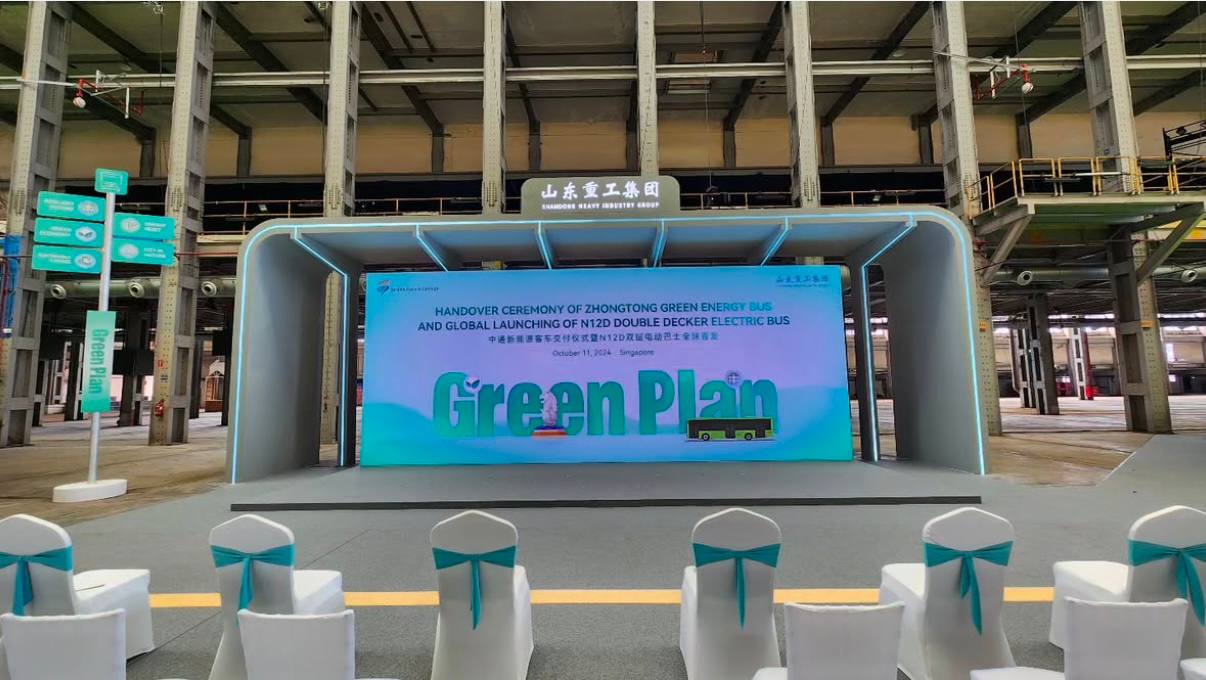
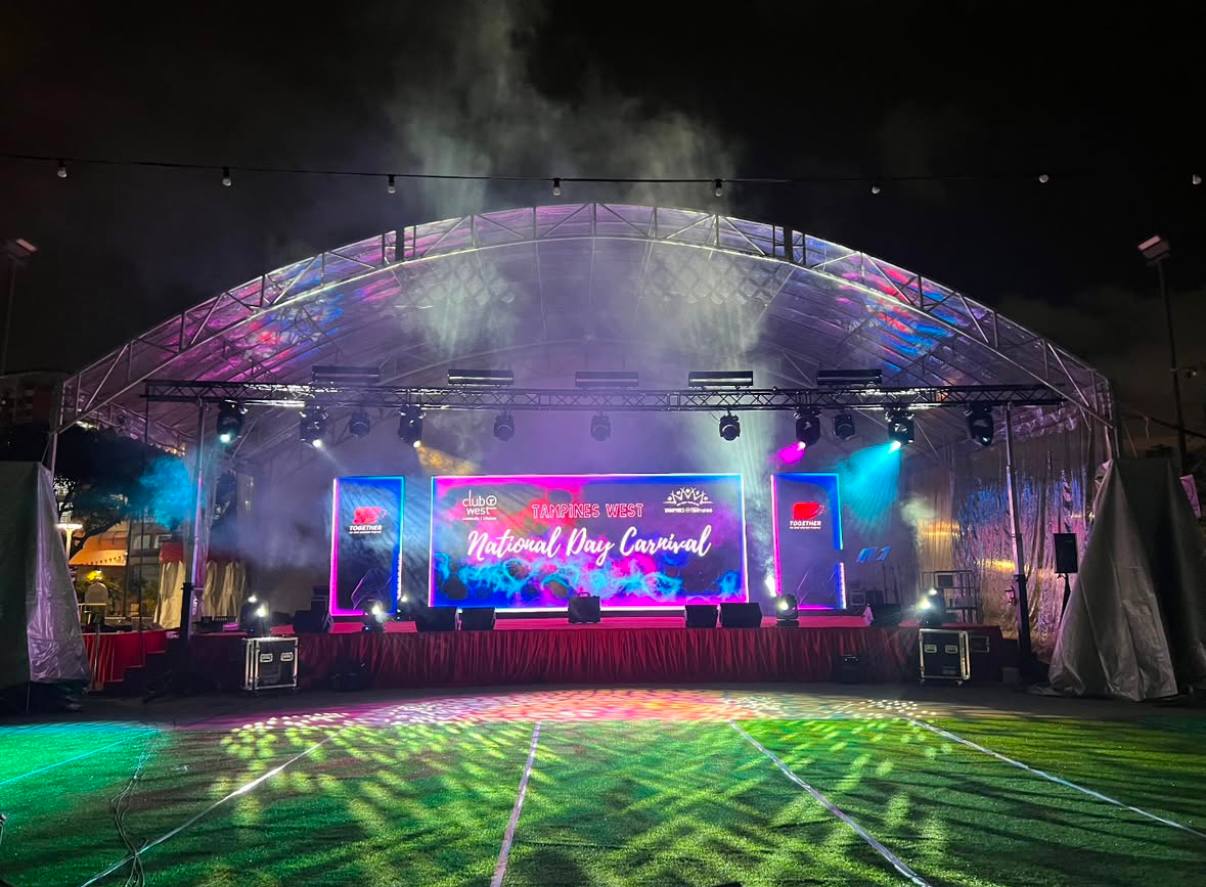
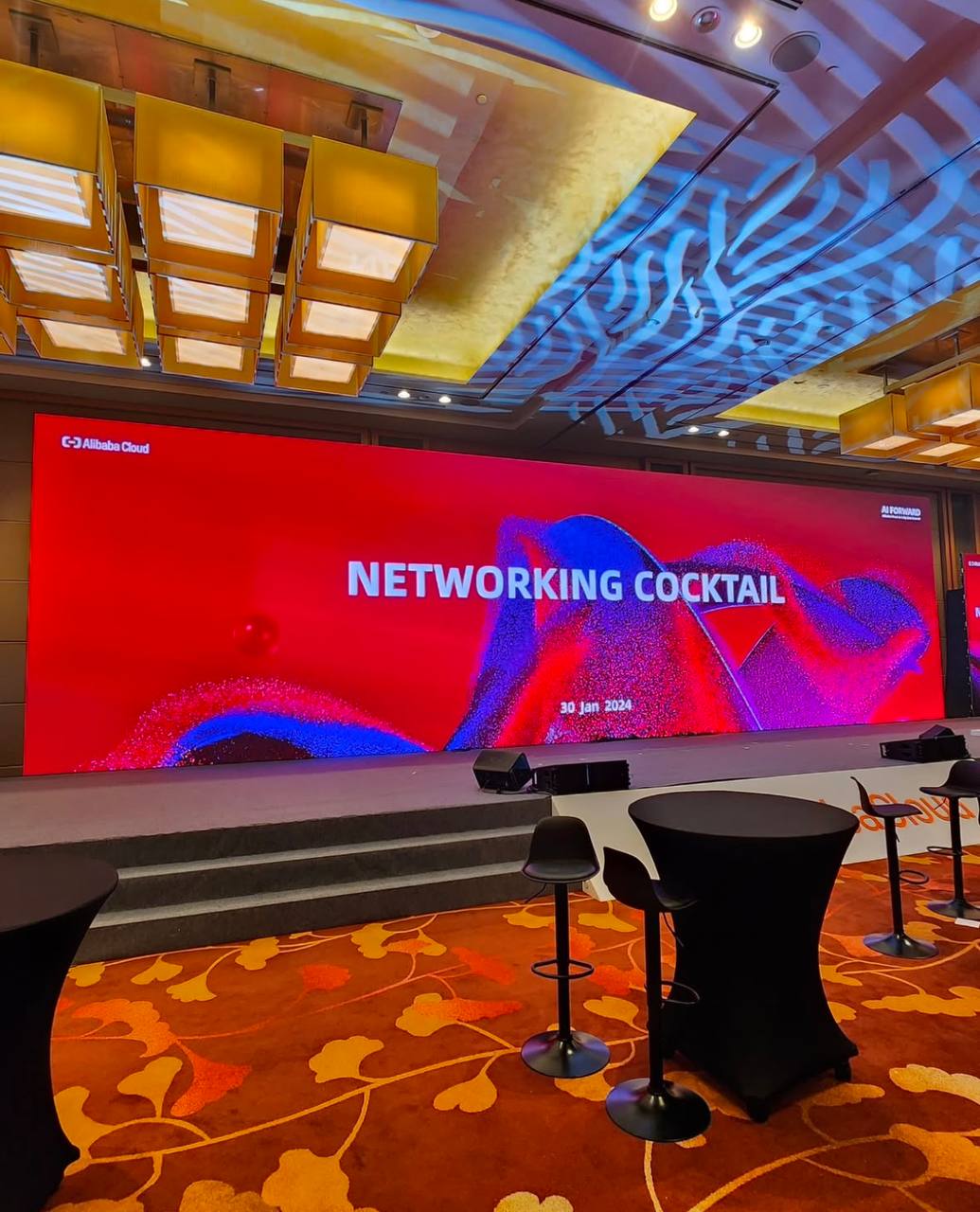
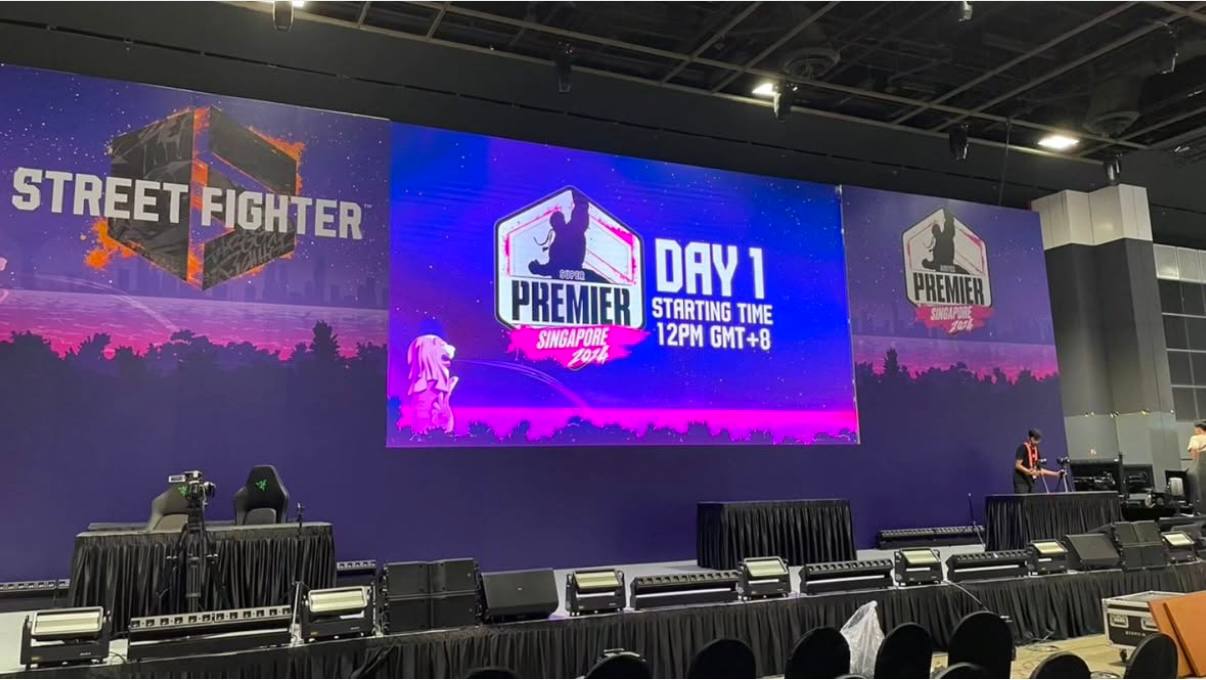
LED Wall and Video Screen Hire
LED walls for conferences, dinners, launches and roadshows, specified for your room rather than sold by the square metre. We size the screen to the audience, match the pixel pitch to how close people sit, build it, run it and take it down.
Getting the screen right
- Pitch follows viewing distance. Pixel pitch is the gap between LEDs. The closer your front row sits, the finer the pitch needs to be. A screen that looks sharp across a ballroom can look coarse to the first two rows, which is why we ask about the room before quoting.
- Size follows the content. Slides, video and a live camera feed each need different proportions. We set the screen’s shape to what you are actually showing, so nothing important is cropped or letterboxed.
- Brightness follows the light. A ballroom, a lobby with daylight and an outdoor stage need different panels. Outdoor and high-light settings need brighter, weather-rated screens.
- Rigging or ground support. Whether the screen hangs or stands depends on the venue’s rigging points and load limits, which we confirm with the venue in writing.
- Power. Large screens need dedicated circuits; we check the supply rather than assuming a wall socket will do.
What we provide
Indoor and outdoor panels, processors and a video switcher, cabling and distribution, rigging or ground-support structure, a technician on site for the whole event, and a spare panel set on standby so a failed module does not become a black square in your backdrop.
How it works
- Room and content. We ask for the venue, the room layout, where the audience sits and what you are showing.
- Specification. Screen size, pitch, brightness and mounting, with the venue’s rigging and power limits checked.
- Quote. Itemised: panels, structure, processing, technicians and hours, so you can see what drives the cost.
- Content check. We give you the exact pixel dimensions to design to, and test your files on the screen at rehearsal.
- Build. Installed within the venue’s setup window, tested with your slides and video.
- Show and strike. A technician runs it during the event and dismantles it afterwards.
Where they earn their keep
Conferences, where the back of the room needs to read the slides. Dinner and dance or awards nights, where the screen carries winners’ names, photos and sponsor branding. Product launches, where the reveal needs scale. Roadshows and exhibitions, where movement stops people walking past. For smaller rooms a projector is often the better answer, and we will say so.
Screen or projector?
A projector is cheaper and fine in a dim room with a modest audience. An LED wall holds its picture with the house lights up, which matters when people are eating, taking photos or being filmed. If your programme needs the room lit, the screen is doing work a projector cannot.
Need a screen for your event?
Send us the venue, the room layout, your audience size and what you plan to show, and we will specify a screen and quote it itemised. LED walls are often paired with live streaming and with conferences and seminars. Contact us.
FAQ
Answers to Frequently Asked Questions
Discover Answers to Your Most Asked Questions
It follows the room and the content rather than a catalogue size. The people at the back need to read your smallest text, and the people at the front should not see individual LEDs. Tell us the room, where the audience sits and what you are showing, and we will specify it and give you the exact pixel dimensions to design to.
Yes, with weather-rated panels and higher brightness, plus a structure rated for wind. Outdoor builds need more setup time and a plan for rain, so we agree in advance who calls a stop and at what point.
We give you the screen's exact pixel dimensions once it is specified, so your designer builds to that rather than to a standard slide size. Send files a few days before the event and we test them on the actual screen at rehearsal, which is when cropping and colour problems show up.
It depends on the size and whether it is rigged or ground-supported, and the real constraint is usually the venue's setup window rather than our build time. We confirm load-in hours, lift access and rigging limits with the venue before quoting, because those decide what is possible on the day.
Yes. A technician stays for the whole event, runs the switcher, cues your content and deals with anything that fails. We also keep spare panels on site, so a dead module can be swapped rather than stared at.
Yes, and it is usually cheaper that way, because one crew and one load-in covers the screen, the sound, the lighting and the streaming rather than three suppliers arriving separately and charging separately for the same setup window.